Alexa Tablets Switch to Standard Android, Replacing Fire OS for Google Play Access
Amazon replaces its custom operating system with standard Android on new Alexa tablets, enabling Google Play Store access and altering the device security posture.
Key points
- Amazon unveils new Alexa Tablet lineup running standard Android instead of proprietary Fire OS.
- Devices now support the Google Play Store, replacing the custom Amazon App Store ecosystem.
- The shift marks a significant architectural change in Amazon’s consumer tablet strategy.
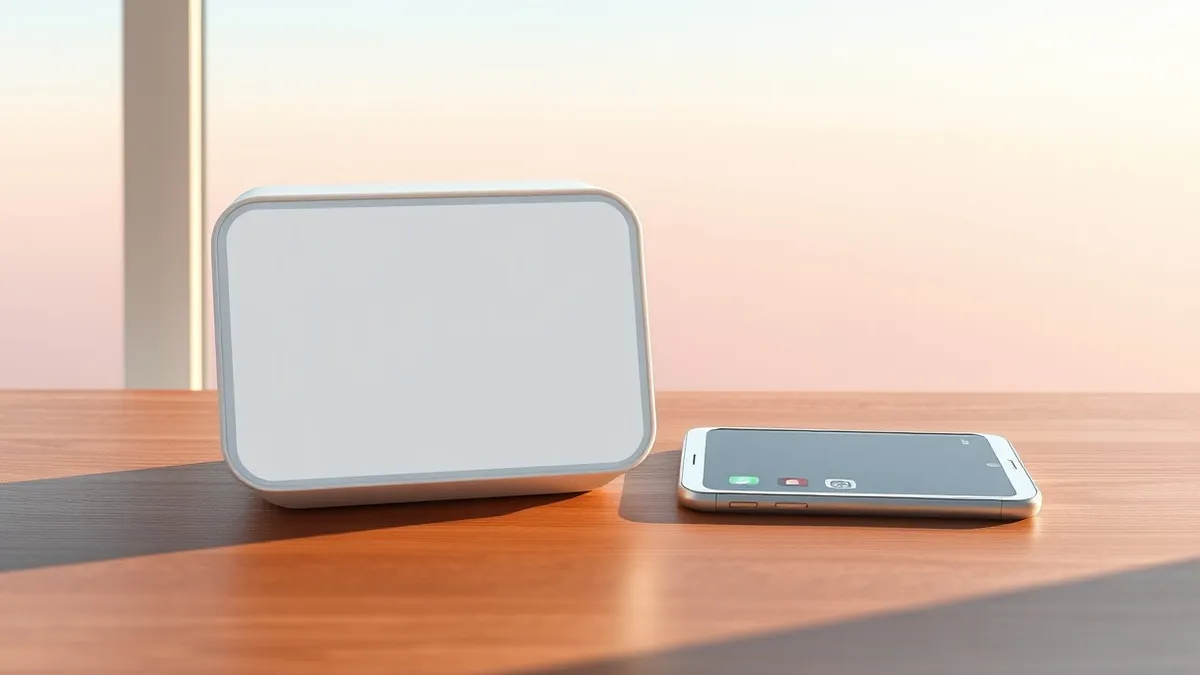
Amazon has deployed a new lineup of Alexa Tablets that operate on the Android operating system, abandoning the proprietary Fire OS platform previously used for its tablet devices. According to 9to5Mac, this transition replaces the custom application store with the Google Play Store, fundamentally altering the software environment and security boundaries of the hardware.
Root cause
The root cause of this change is a strategic decision by Amazon to align its hardware with standard Android architecture rather than maintaining a divergent, proprietary operating system. 9to5Mac reports that the new devices embrace a stock Android feel, removing the custom interface layers that defined previous Fire tablets. This architectural shift allows for broader application compatibility but introduces the standard Android attack surface and dependency on Google’s security updates, differing from the controlled environment of the previous proprietary OS.
Attack path
The attack path for these devices now mirrors that of standard Android hardware, exposing them to threats targeting the Google Play Store ecosystem and Android system vulnerabilities. Previously, the proprietary OS provided a walled garden that limited exposure to external application risks. With the integration of the Play Store, security operations teams must now consider threats associated with third-party Android applications, potential supply chain risks within the Play Store, and standard Android exploitation techniques, rather than the specific vulnerabilities of Fire OS.
Affected versions
- New Alexa Tablet lineup unveiled this week by Amazon.
- Devices running the new Android-based operating system.
- Previous Fire tablet models running proprietary Fire OS are not explicitly stated to be affected by this specific OS change, but represent the legacy architecture being replaced.
Mitigation
- Monitor the Google Play Store for application updates and security patches relevant to the new Android environment.
- Review device management policies to accommodate standard Android security configurations and MDM integration.
- Assess the risk profile of third-party applications now available via the Play Store compared to the previous curated Amazon App Store.
What to do and how to stay safe: Amazon
- Inventory existing Fire tablets to determine which devices are affected by the OS change and which remain on legacy software.
- Update mobile device management policies to reflect the shift from proprietary Fire OS to standard Android security controls.
- Monitor vendor announcements for specific security bulletins related to the new Android-based Alexa Tablet firmware.
- Once the vendor provides an update, verify that the Android version includes the latest security patches for the Play Store environment.
Step-by-step guide: Password Policies Examples That Reduce Password Fatigue
General security guidance from the Vector Bulletin newsroom. It is not confirmed advice from the organisations named in this story.
Frequently asked questions
Do the new Alexa Tablets still use Amazon’s proprietary operating system?
No, according to 9to5Mac, the new Alexa Tablets run standard Android instead of the proprietary OS previously used.
Can users install apps from the Google Play Store on these new devices?
Yes, the new lineup embraces Android and offers access to the Google Play Store, replacing the custom App Store.
Is there a confirmed security fix for vulnerabilities in the new OS?
The source material does not mention specific vulnerabilities or confirmed fixes for the new Android-based devices.