NASA solicits commercial partners for permanent low Earth orbit presence
The agency issues a call for proposals to private firms to build space stations, ensuring a continuous human footprint in low Earth orbit beyond the ISS.
Key points
- NASA requires private industry to maintain a permanent human presence in low Earth orbit.
- The call for proposals targets commercial space station developers and operators.
- The agency states it will never relinquish its operational role in low Earth orbit.
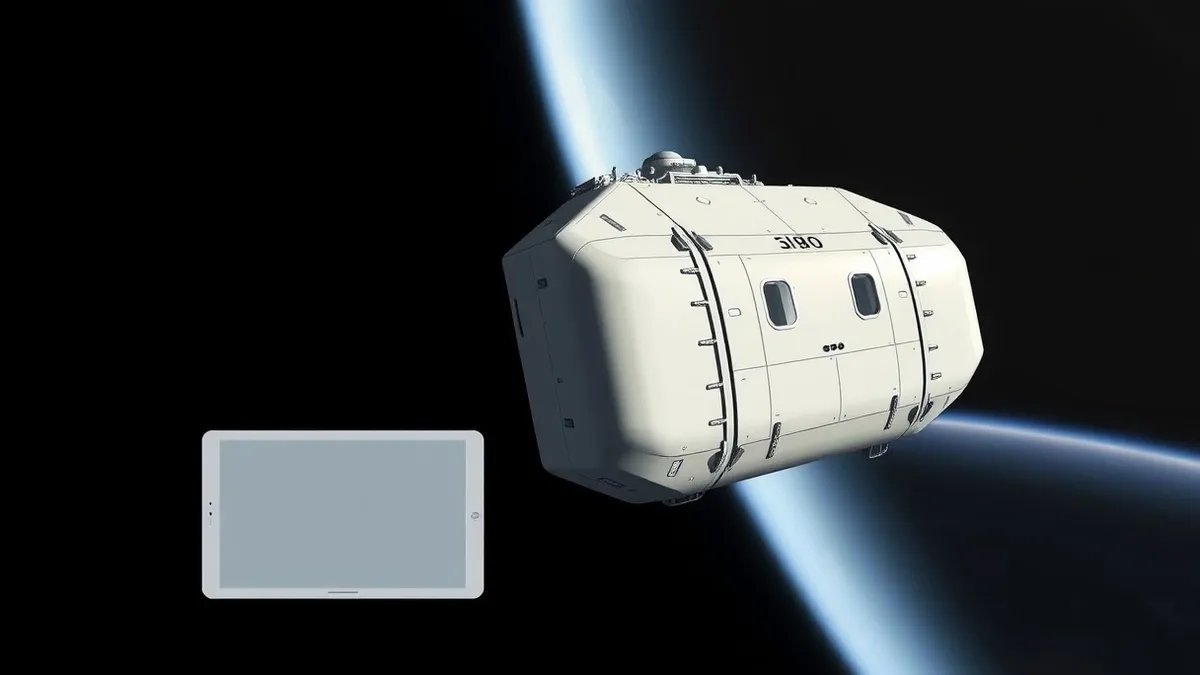
NASA has issued a formal call for proposals to private industry partners to develop and operate commercial space stations in low Earth orbit. According to Ars Technica, the agency aims to secure a permanent human presence in this orbital regime, transitioning from government-led infrastructure to commercially sustained platforms. This initiative marks a significant shift in how the United States maintains continuous access to space for research and operations.
Root cause
The primary driver for this procurement is the planned retirement of the International Space Station and the need for a successor infrastructure. NASA has determined that relying solely on government-built assets is unsustainable for long-term low Earth orbit operations. The agency seeks to leverage commercial innovation and investment to fill this gap, ensuring that research and habitation capabilities remain available without direct federal construction costs.
Attack path
There is no cyber attack path or security vulnerability associated with this administrative announcement. The source material describes a procurement and policy initiative rather than a technical incident or software flaw. Consequently, there are no exploit vectors, payload delivery mechanisms, or breach scenarios to analyse. The focus remains entirely on the strategic shift towards commercial partnerships for orbital infrastructure.
Affected versions
This announcement affects the entire commercial space station development sector rather than specific software versions or hardware models. Current and prospective vendors interested in building low Earth orbit outposts are the primary stakeholders. The International Space Station is the existing asset that will eventually be replaced or supplemented by these new commercial facilities. No specific software releases or firmware versions are implicated in this policy change.
Mitigation
- Monitor official NASA procurement channels for detailed request for proposal documents.
- Review eligibility requirements for private entities seeking to build orbital infrastructure.
- Assess internal capabilities against the agency’s stated need for permanent human presence.
- Track updates from industry groups regarding collaborative proposals for commercial outposts.
What to do and how to stay safe: NASA
- Review current contracts and capabilities to determine readiness for large-scale government space infrastructure bids.
- Monitor regulatory changes regarding commercial space operations and safety standards in low Earth orbit.
- Establish internal teams to track NASA procurement timelines and submission deadlines.
- Assess supply chain dependencies for critical components required in long-duration space habitats.
Step-by-step guide: Password Policies Examples That Reduce Password Fatigue
General security guidance from the Vector Bulletin newsroom. It is not confirmed advice from the organisations named in this story.
Frequently asked questions
Why is NASA seeking private partners for space stations?
NASA wants to ensure a permanent human presence in low Earth orbit without relying solely on government-built infrastructure, as stated in the call for proposals.
Will NASA stop operating in low Earth orbit?
No, according to Ars Technica, NASA has made it clear that it will never give up its presence in low Earth orbit, even as it transitions to commercial stations.
What is the scope of this call for proposals?
The scope includes private commercial space stations designed to support a permanent human presence in low Earth orbit, replacing the eventual retirement of the ISS.